
EMERGENCY
00:07:38
Please check-in
before 2:24 PM
Every five minutes
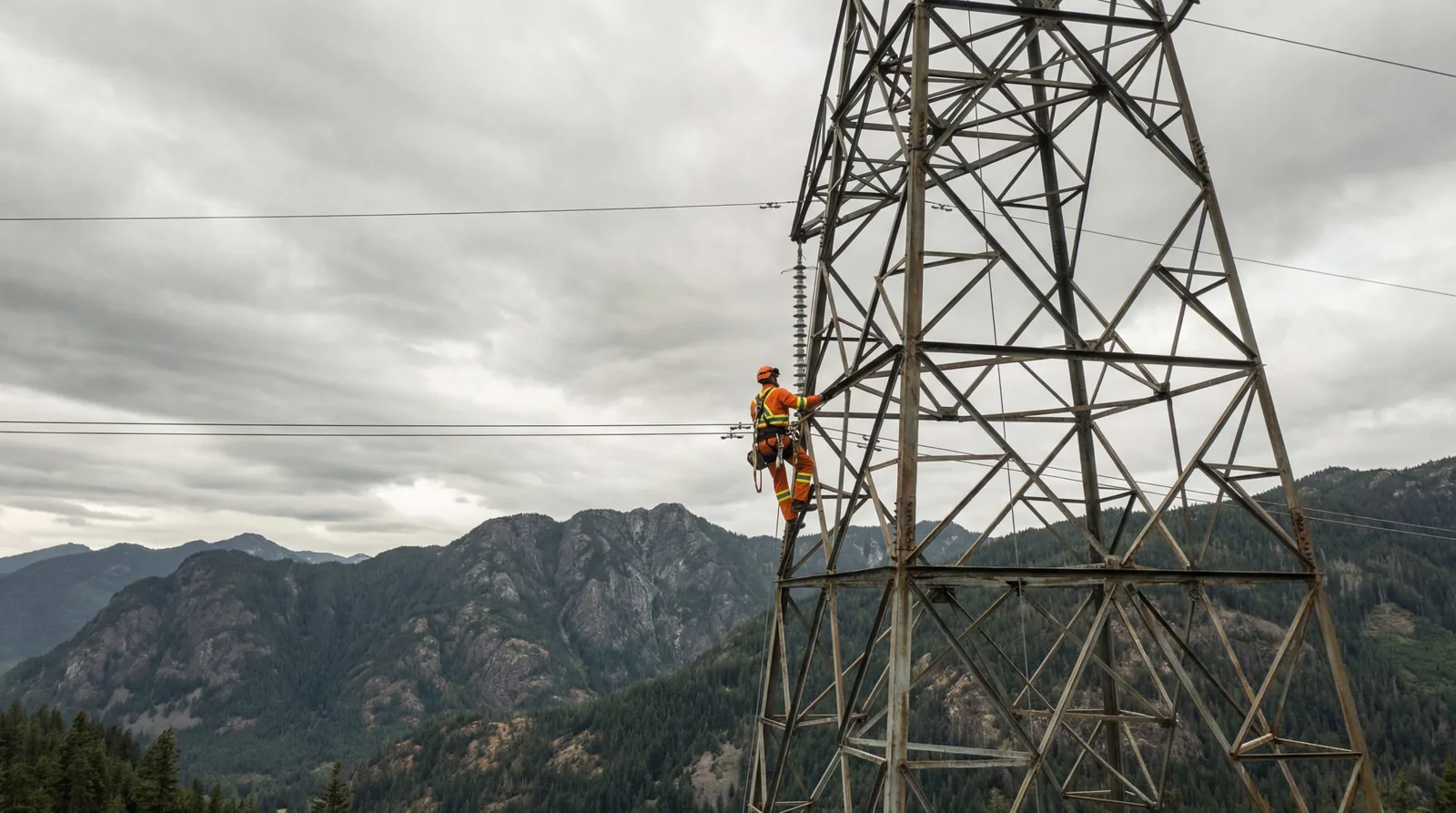
Line workers 60 feet up a pole. Operators alone at treatment plants overnight. Crews dispatched into ice storms with no cell signal. CheckMate gives your crews 24/7 live operators behind every check-in, satellite check-ins when the towers are down, the Safe Alone app, and a wearable for work at height.
Trusted by utility providers across Canada
Heights, confined spaces, remote infrastructure, and extreme weather — utility workers face life-threatening hazards in isolation every day.
Water main repair in a manhole. Gas line inspection in a vault. These workers face gas buildup, structural collapse, and zero cell signal — all while completely out of sight from anyone on the surface.
Workers set a check-in timer before going underground. If the timer expires without confirmation, 24/7 operators begin calling within minutes — no app required, a phone call from any line works.
Walking alone through unfamiliar neighbourhoods, rural properties, and industrial zones — door to door, all day. Dog attacks, hostile encounters, slips on uneven terrain, and medical events with no one around to see them happen.
One tap sends an instant alert with the worker's exact location. High-risk mode shortens check-in intervals for sketchy areas — and 24/7 operators are already calling if a check-in is missed.
Emergency crews dispatched solo during ice storms, floods, and high winds — restoring power, clearing downed lines, repairing infrastructure. Cell towers go down. Roads wash out. And workers are scattered across a region with no way to confirm they're safe.
The satellite device sends check-ins and GPS location from anywhere — even when cell infrastructure is destroyed. 24/7 operators monitor every worker through the entire storm response shift.
A line worker 60 feet up a utility pole — live wires, high winds, no one nearby. A fall from that height is survivable if help arrives fast. Without a system in place, no one knows there's a problem until the worker doesn't come home.
The SOS wearable detects falls and sudden impacts instantly — no button press needed. Operators are alerted the moment it happens and notify your designated emergency contacts with the worker's GPS location.
A solo operator at a water treatment plant overnight — responsible for an entire facility with heavy machinery, chemical systems, and confined spaces. A medical emergency, a chemical exposure, or an equipment malfunction, and there's no one else on site.
The SOS wearable monitors for falls and impacts through the entire shift. GPS pinpoints exactly where the worker is on-site — so if something goes wrong, operators know the building and the floor.
From line workers to meter readers — everyone who works alone in the field.
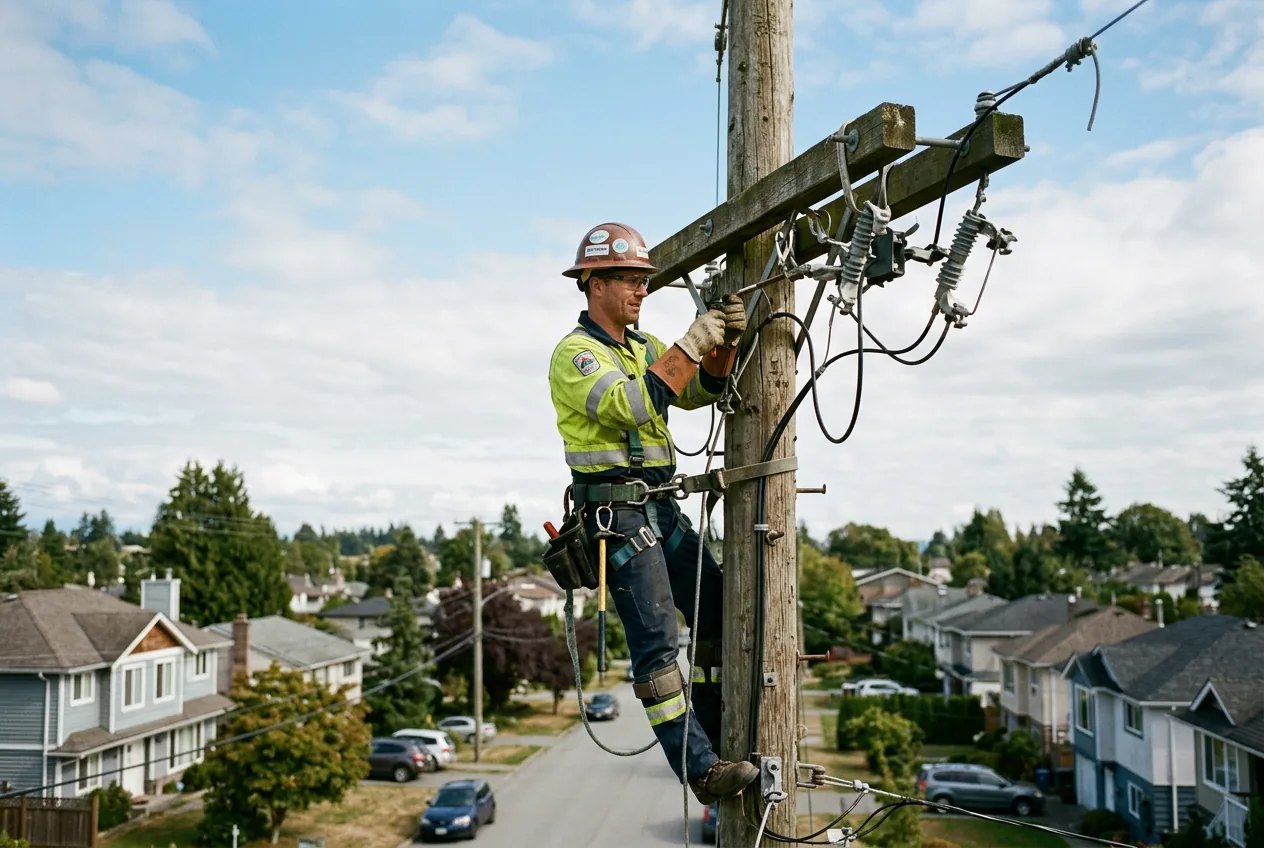
Heights, live wires, remote poles
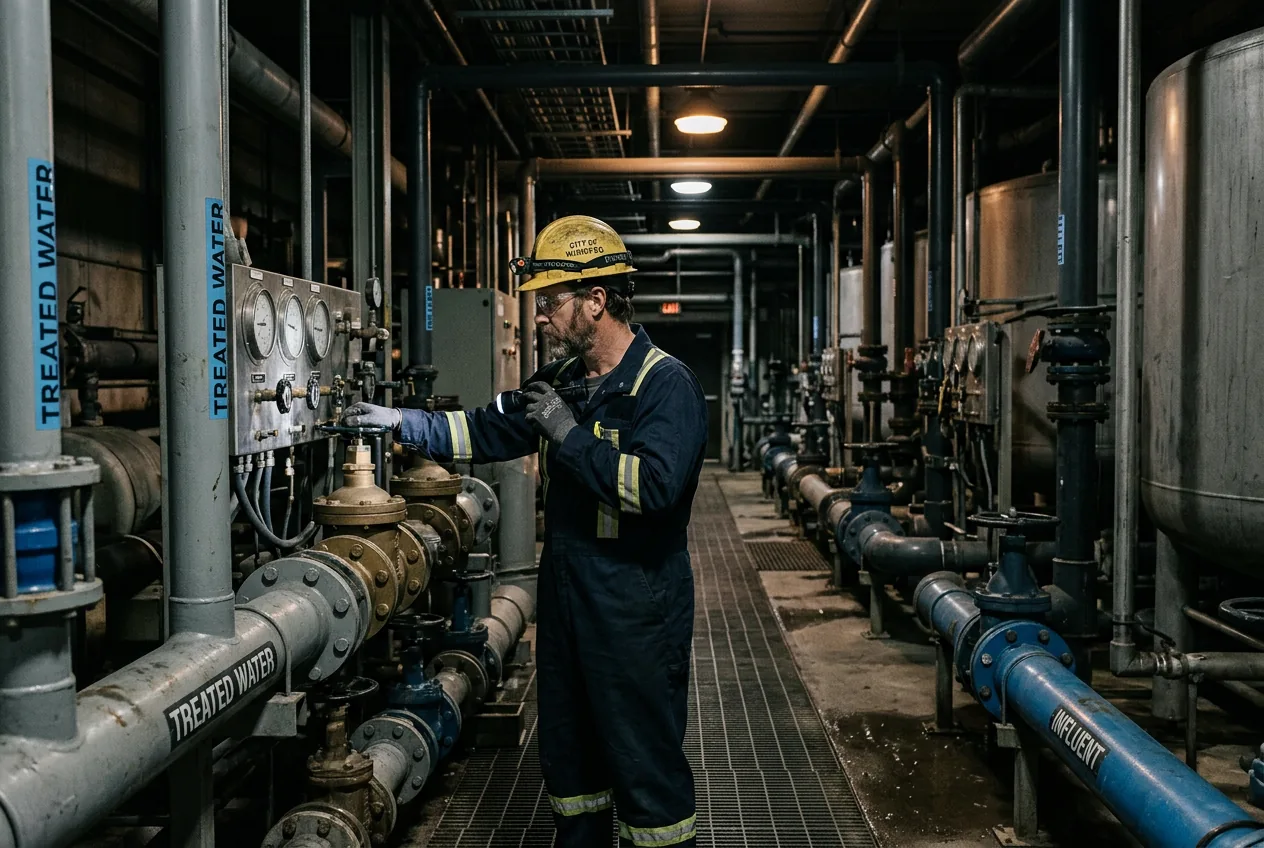
Night shifts at isolated plants
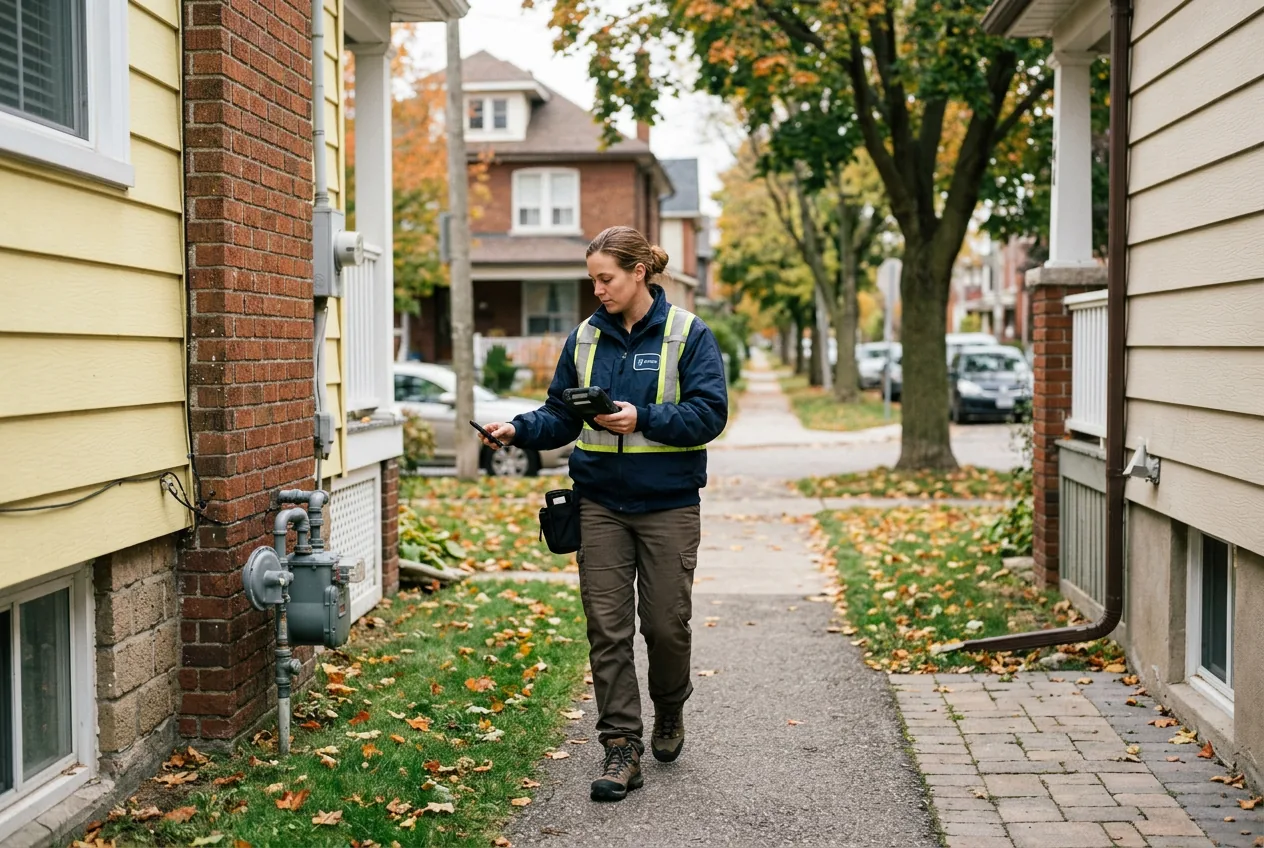
Door-to-door in unfamiliar areas
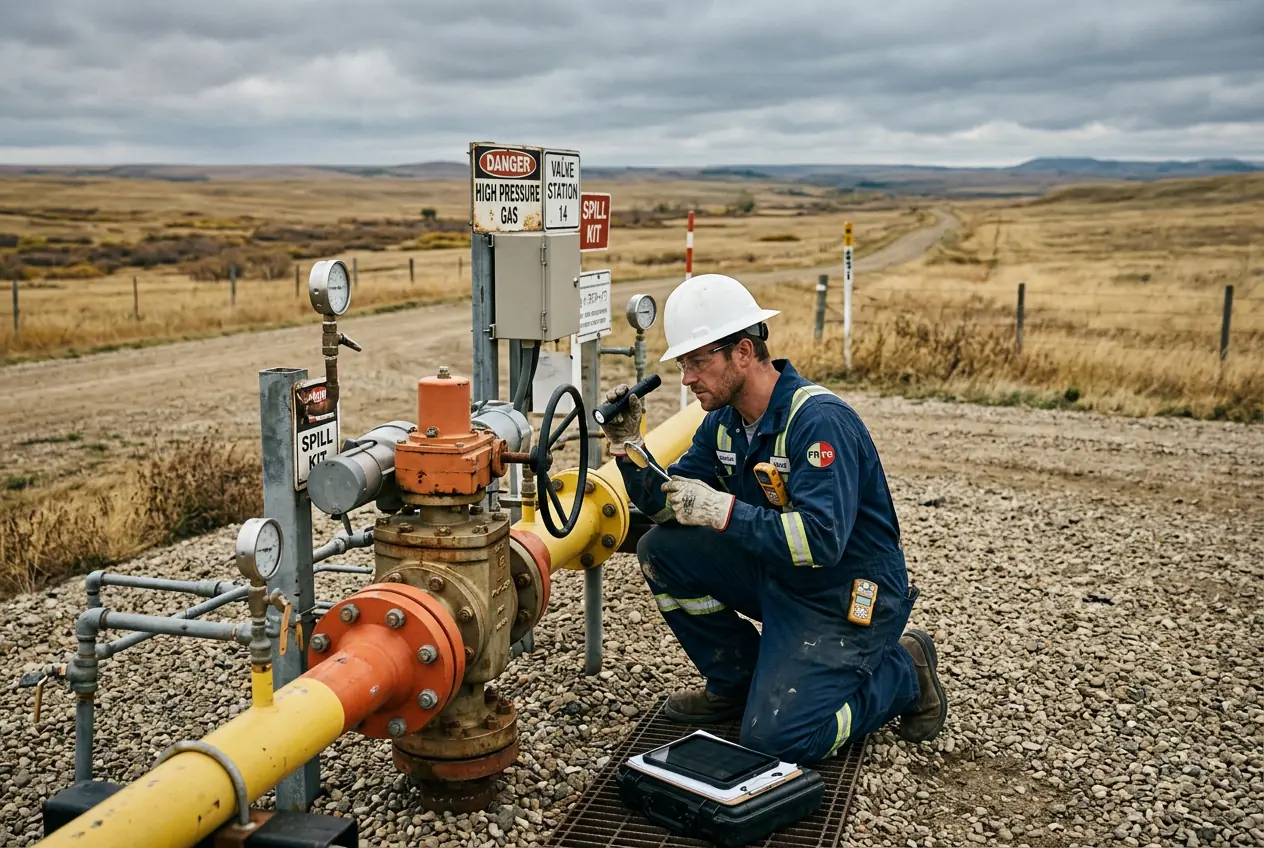
Remote corridor inspections
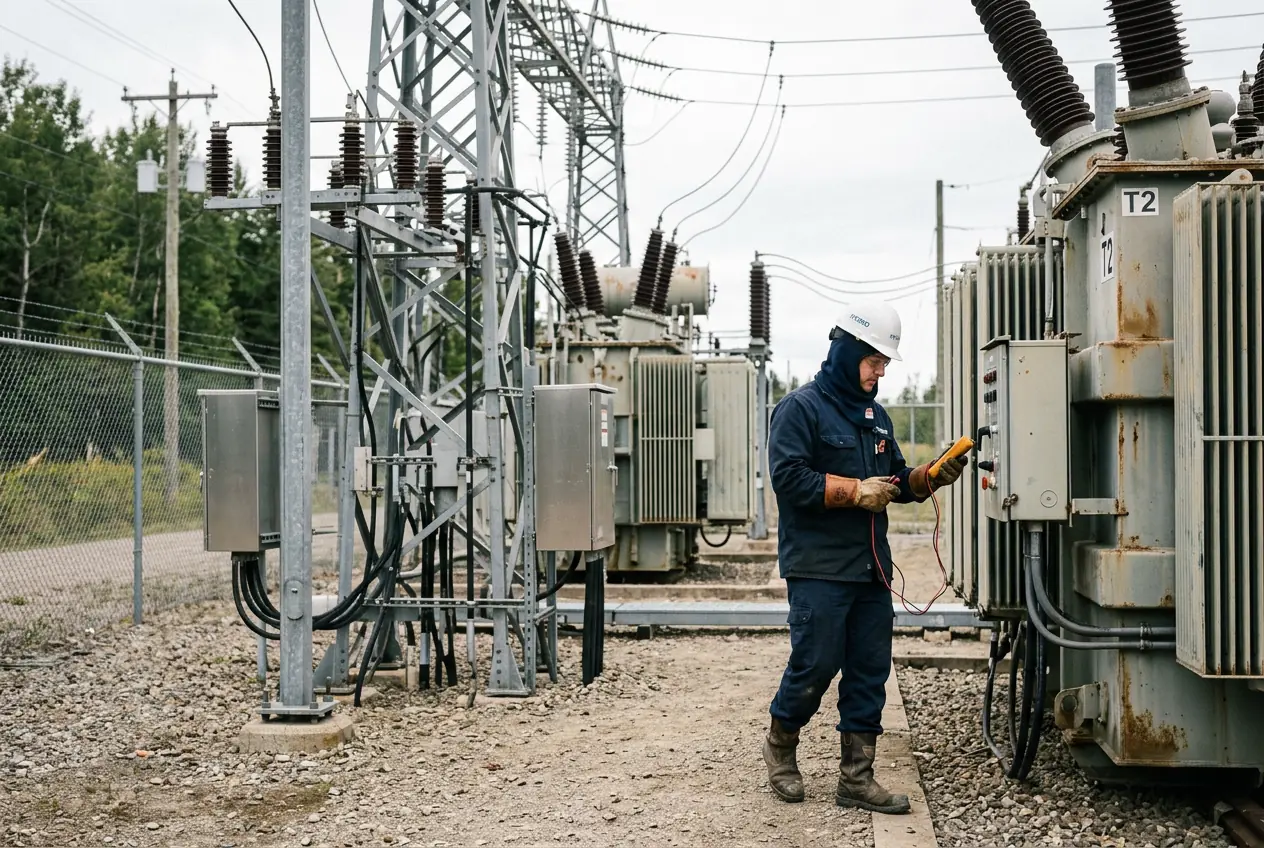
Isolated electrical facilities
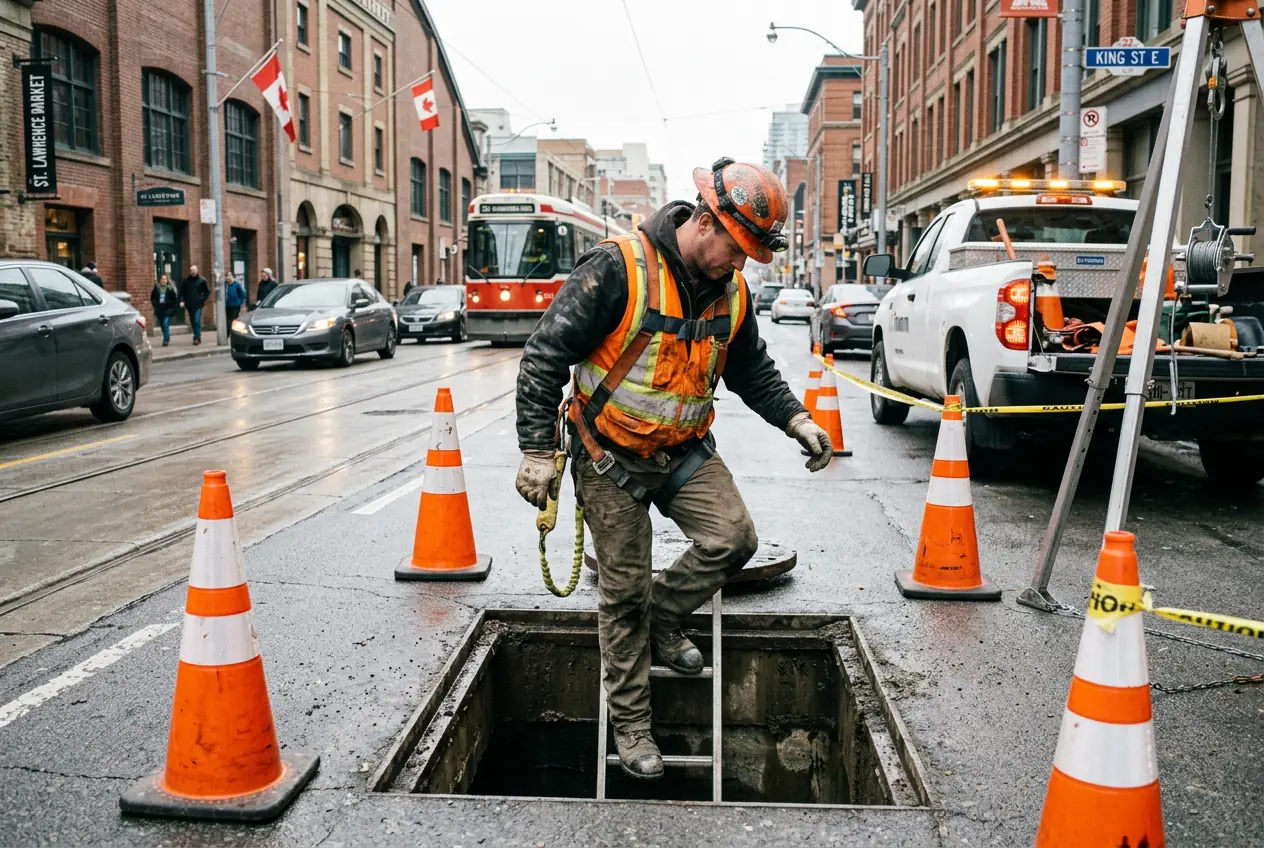
Confined spaces underground
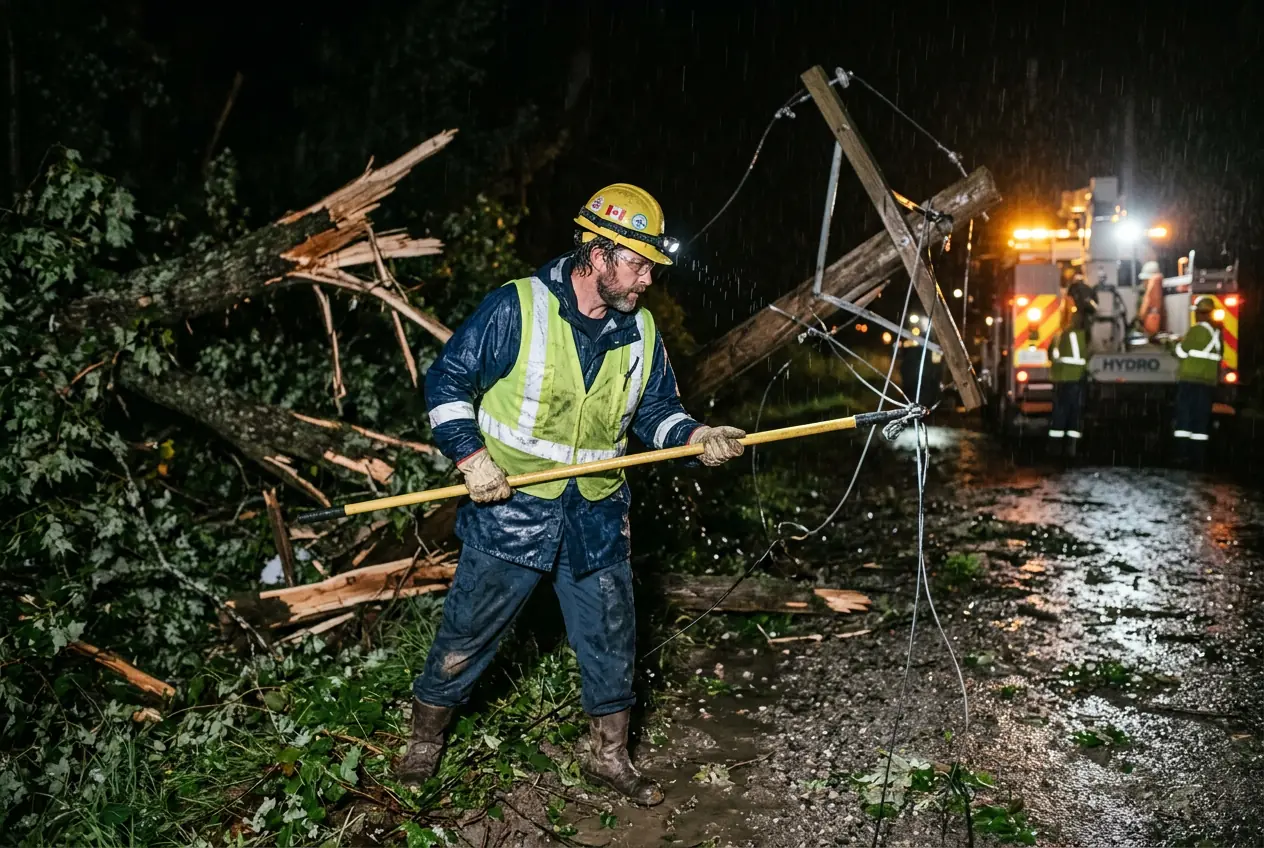
Storm damage in dangerous conditions
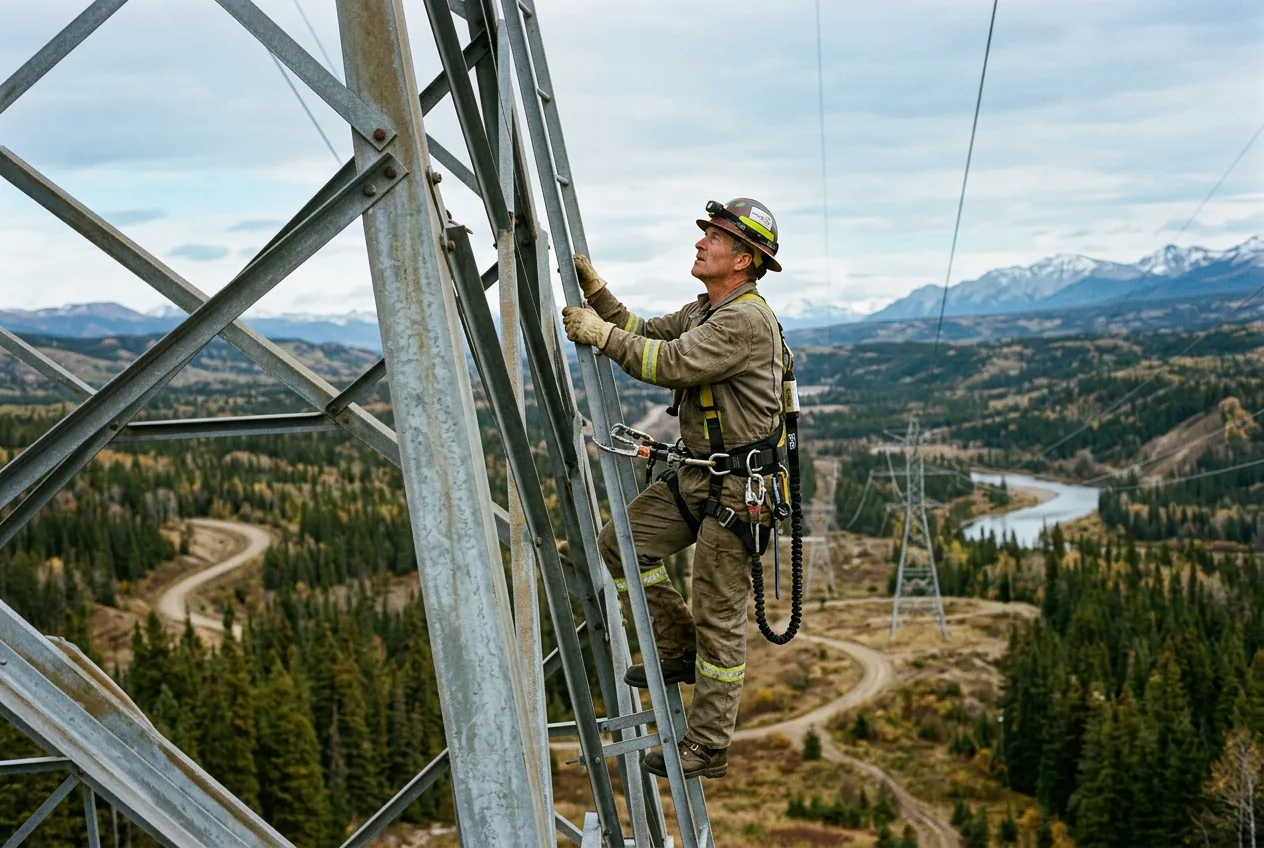
Working at extreme heights
24/7 live operators behind every safety check and alert, with the Safe Alone app, the Smart Button wearable, a live monitoring dashboard, satellite coverage where there is no signal, phone and landline safety checks, and an SOS wearable with fall detection for the highest-risk roles.
One-tap check-ins, a panic button and GPS location from the worker's smartphone, with every missed check-in and alert answered by a live operator, 24/7.
See who's active, who's checked in, and who needs attention — all on one screen. Map view with live GPS, status indicators, and compliance reports.
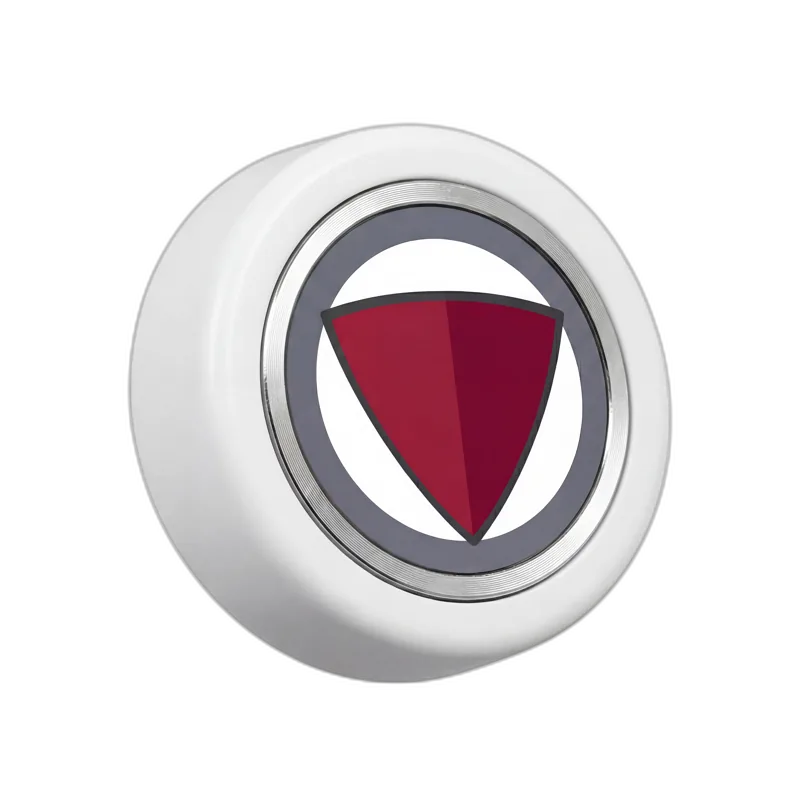
For line workers and plant operators. One press checks in, press and hold raises the alarm, gloves on and phone in a pocket. Pairs with the Safe Alone app.
Storm damage, remote substations, and rural corridors with no cell coverage. The satellite device sends check-ins and GPS location from anywhere — even when cell towers are down.
Facility phone, personal cell, or any landline. Workers check in with a simple call — no app required, no special equipment needed.
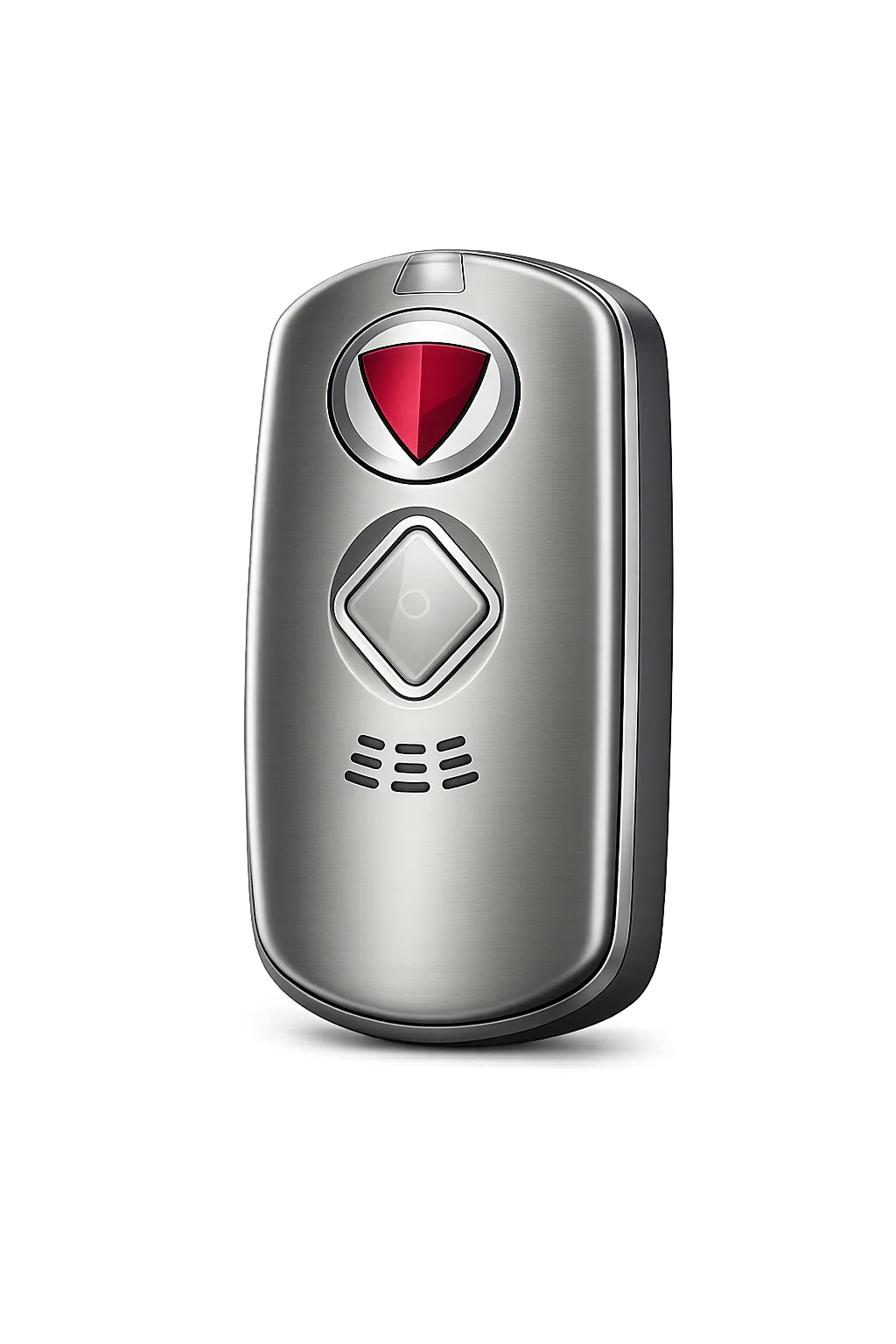
Automatic fall detection for line workers and tower technicians. Triggers an alert if it senses a fall from height or sudden impact — even if the worker can't press a button.
A simple, proven system that keeps your lone workers connected and protected — every shift, every day.
Workers receive scheduled check-in prompts via the app, a phone call, or the satellite device. One tap confirms they're safe.
Missed check-in? Our system immediately flags it. No delay, no assumptions — just instant awareness.
Our ULC-certified operators call the worker, then escalate to supervisors. Real humans, real follow-through.
Every incident is documented. Every worker is accounted for. Peace of mind — backed by 55+ years of expertise.
ULC 5-Diamond certified. When someone misses a check-in, our operators are already calling — not sending another notification.
Over 3.7 million safety checks completed annually across 900+ Canadian organizations.
Over 55 years of security expertise. A proven safety partner for Canadian organizations.
The SOS wearable uses accelerometer and impact sensors to detect sudden falls and impacts — like a line worker falling from a pole or a technician collapsing in a confined space. When a fall is detected, an alert with GPS coordinates is sent instantly to our 24/7 monitoring centre. Operators attempt to contact the worker and notify your designated emergency contacts if there's no response. No button press required.
For underground and confined space work, the best approach is timed check-ins set before entry. If the worker doesn't check in by the deadline, operators escalate immediately. Workers can also check in via a simple phone call from any facility landline. For remote areas with no cell coverage at all, the satellite device communicates via the Iridium satellite network — no cell towers needed.
The dashboard gives dispatchers and safety teams a single view of every active worker across the entire service territory. You can see who's checked in, who's overdue, and where everyone is on a live map. Check-in schedules can be customized per team or per worker — line crews might check in every 15 minutes while a meter reader checks in hourly.
This is exactly what the satellite device is built for. It communicates via the Iridium satellite network, which operates independently of ground-based cell infrastructure. During storms, floods, or any event that takes down cell towers, your workers can still send check-ins, trigger panic alerts, and transmit GPS coordinates to our monitoring centre.
CheckMate is designed to complement your existing safety program, not replace it. Every check-in, alert, and escalation is automatically documented with timestamps, GPS data, and operator actions — creating a complete audit trail that supports your OHS compliance and Bill C-45 due diligence obligations. Our team works with you during setup to align check-in schedules, escalation protocols, and reporting with your current procedures.

Join Canadian utility providers who trust CheckMate to keep their field crews safe — every shift, every site.
Book a demo →